The tour guide is the”the card of walking”: a single explanation remark can brush off the millennium-old dust from the armor of the Terra Cotta Warriors; a moment of guidance, causing the wind chimes of the Big Wild Goose Pagoda to sway, unfolding the long scroll of the prosperous Tang Dynasty; A warm smile can turn the clouds and mist of the Qinling Mountains into the palm warmth… The heartbeat of the Sanqin land(Shaanxi) is vividly and palpable in every step they take.
To promote and showcase outstanding tour guides in Shaanxi and play a leading role in demonstration, the official WeChat account of “Culture Shaanxi”launched the column of “Qin Sheng Leads: A Journey of Cultural Fragrance”. This column highlights excellent tour guides in Shaanxi, illustrating how they can link landscapes and heritage through their careers, turning “a mere trip”into “a cultural encounter”. It also serve as a tribute to frontline tourism practitioners, because of them, every inch of Shaanxi’s mountains and rivers are narrated with passion, and every journey becomes a heartfelt resonance between history and the present.
In the summer at Xi’an’s Small Wild Goose Pagoda Scenic Area, cicadas chirps, and the fresh vegetation cloaks the ancient brick walls.Wu Jianguo, a 76-year-oldleads guide, leads a group of several Canadian tourists through the courtyards. A witty French remark suddenly popped out of his mouth, and the tourists were first stunned, then burst out laughing knowingly. A glimmer of inspiration flashed in his eyes as he steers the conversation toward the translation stories of Tang Dynasty monks – history and the present seamlessly blending on his words.
Over more than four decades at the forefront of cultural interpretation, Wu Jianguo went from being one of the China’s first-tier senior tour guides to becoming a pioneer and practitioner of the “cultural tour guide” concept. In 1975, Wu Jianguo, who graduated from the French major at Guangdong Foreign Languages University, worked as a French translator in the northwest China. A few years later, hearing that the tourism industry in his hometown Shaanxi was quietly emerging and in urgently need of versatile talents who were proficient in both foreign languages and culture, Wu Jianguo chose to set aside his familiar translation work and entered China’s fledgling tourism industry. He began working as a tour guide at China International Travel Service in Xi’an.
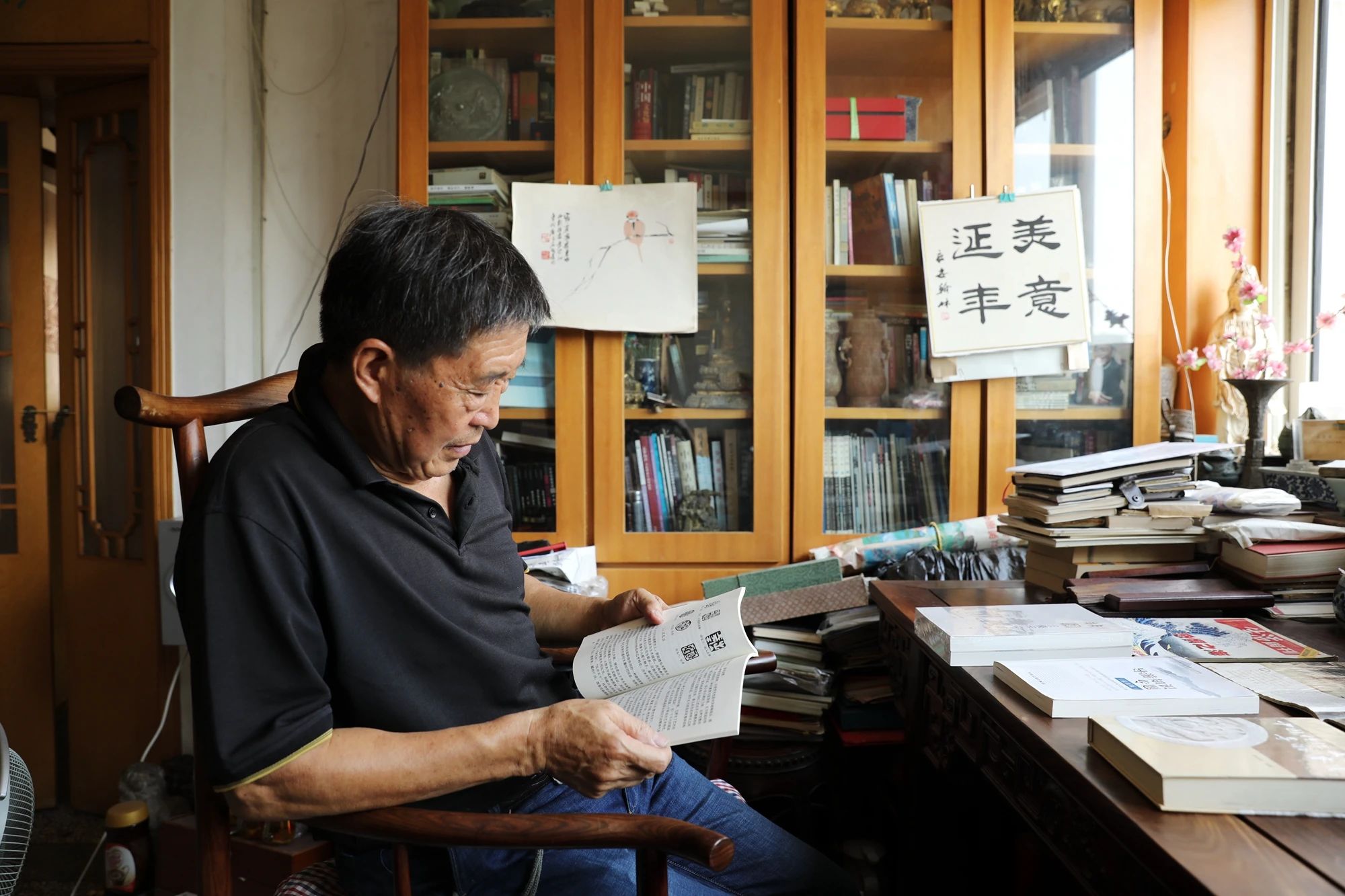
Though long-term practice, Wu Jianguo gradually identified the cognitive differences between Chinese and foreign tourists: when a Chinese tour guide mentions”Emperor Qin Shi Huang unified the six kingdoms”, domestic tourists nod in immediate understanding; However if the French tour guide follows the same script, the foreign guests often look confused. “Foreign tourists need a culture they can related to – sometimes too much information only adds to their confusion “said Wu Jianguo. This requires ” highly adaptive”wisdom to transform China’s cultural genes into a “cultural code” that foreigners can comprehend.
To help foreign tourists understand the grandeur of the Terra Cotta Warriors and the profound significance of the Forest of Steles, Jianguo often immerse himself in historical books and archives during the breaks between tour groups and in his leisure time. From bronze inscriptions to the architecture of ancient buildings, from Chinese calligraphy to historical allusions, Jianguo has built himself into a “walking cultural encyclopedia”. When giving lectures and training for tour guides across the country, Wu Jianguo often emphasizes ‘A tour guides cannot only rely on memorize single set of scripts for a lifetime’. He developed a foreign language tour guide training system targeting to address industry pain points. Taking Shaanxi’s tourism resources as an example, he systematically organized topics such as jade culture, tea, and folk customs, and focused on theme such as “taboos and wisdom in cross-cultural communication” – creating a “practical handbook” for frontline tour guides.
With the rise of the tourism market, Wu Jianguo keenly realizes that there was still significant room for improvement in the training of foreign language tour guides as a China “international window” team. It was necessary to comprehensively and systematically provide teaching practice for this group, in order to avoid problems such as weak foundational knowledge, homogenization services, and superficial cultural interpretation. It is precisely this persistence in “depth of service” that led him to first propose the concept of “scholarly cultural tour guides”.He has continued to publish professional articles and books, and developing a tiered growth plan for tour guides based on their different experience: “Tour guides who lead groups for three years should master detailed explanations, those who lead groups for five years should form their own insights, and those with ten years should be able to stimulate critical thinking”.
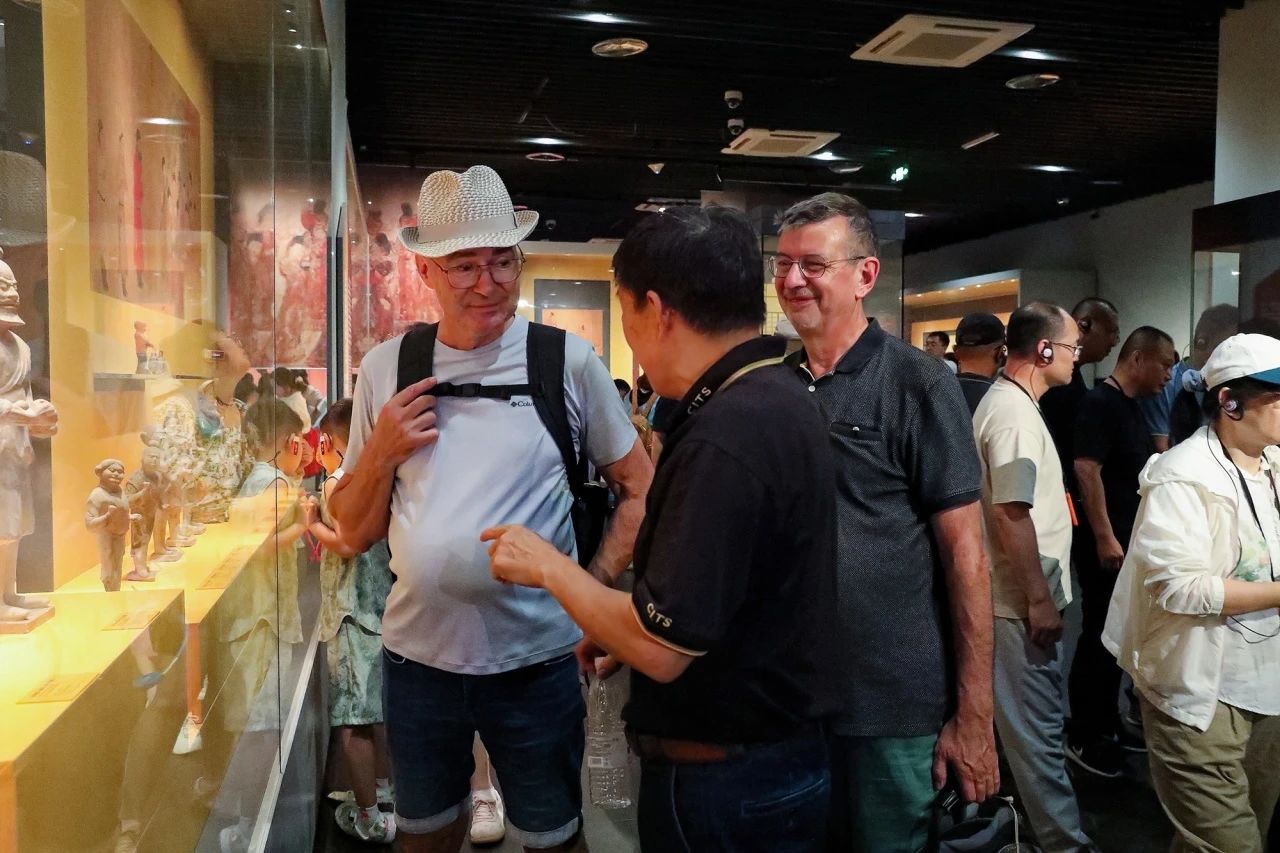
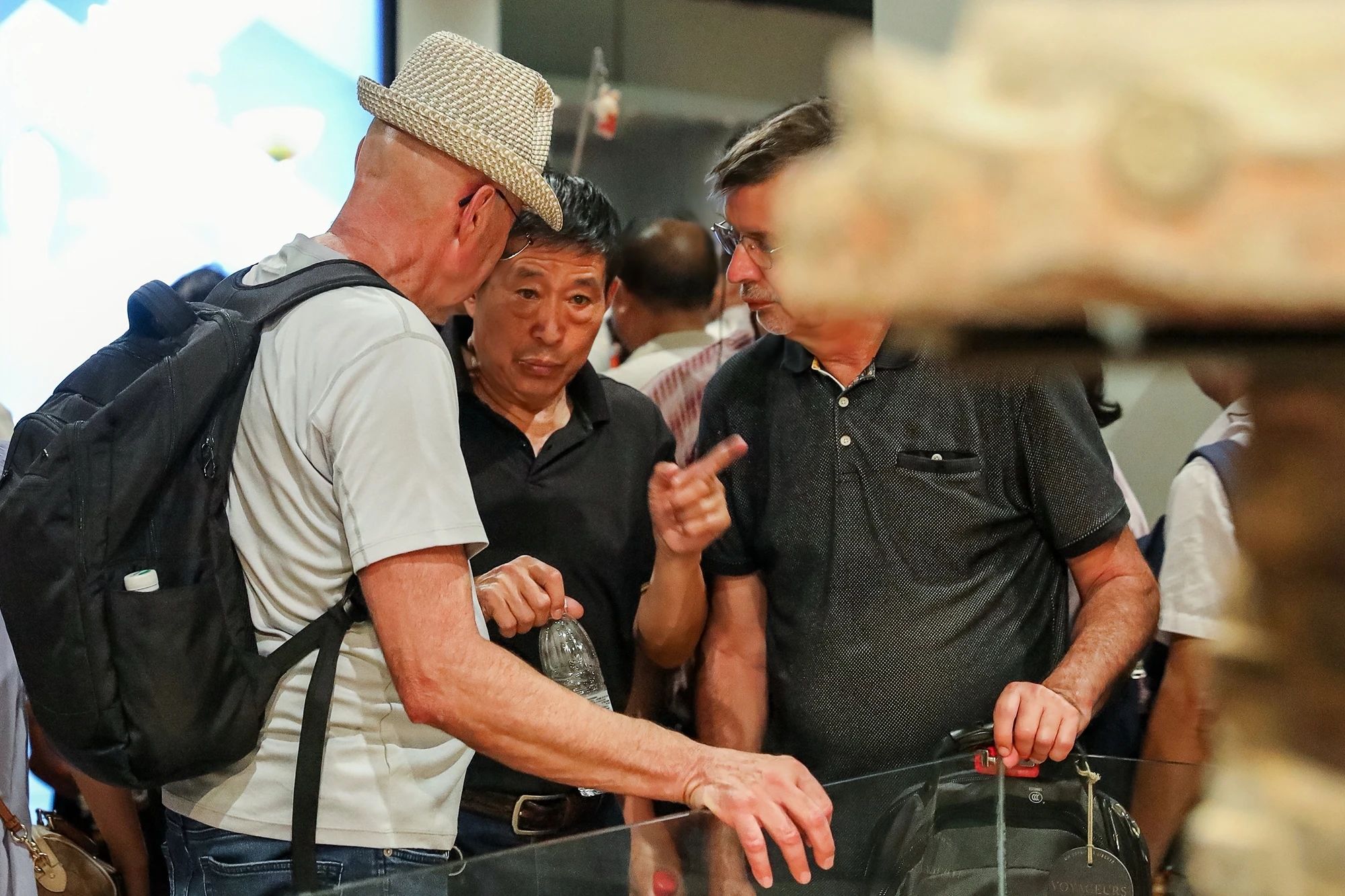
Over his 40-year career, Wu Jianguo has hosted more than 40000 French-speaking tourists. When interacting with foreign tourists, he uses his humorous and witty personality as a tool to bridge cultural barriers. When foreign tourists feel anxious due to their unfamiliarity with the local environment, question the visiting itinerary, or express doubts about the local culture, Wu Jianguo always improvises with a few lighthearted jokes to ease tensions. “After listening to my explanation for several years, a Swiss tourist flew back to Xi’an specifically to visit me, and a French tourist came to the airport to greet me when I went to Paris”,Wu Jianguo recalls.He emphasizes that receiving tourists requires sincerity, and they will reciprocate with the same warmth. And his sincere connection with friends from all over the world is precisely his adherence to the belief of “friendship first”.
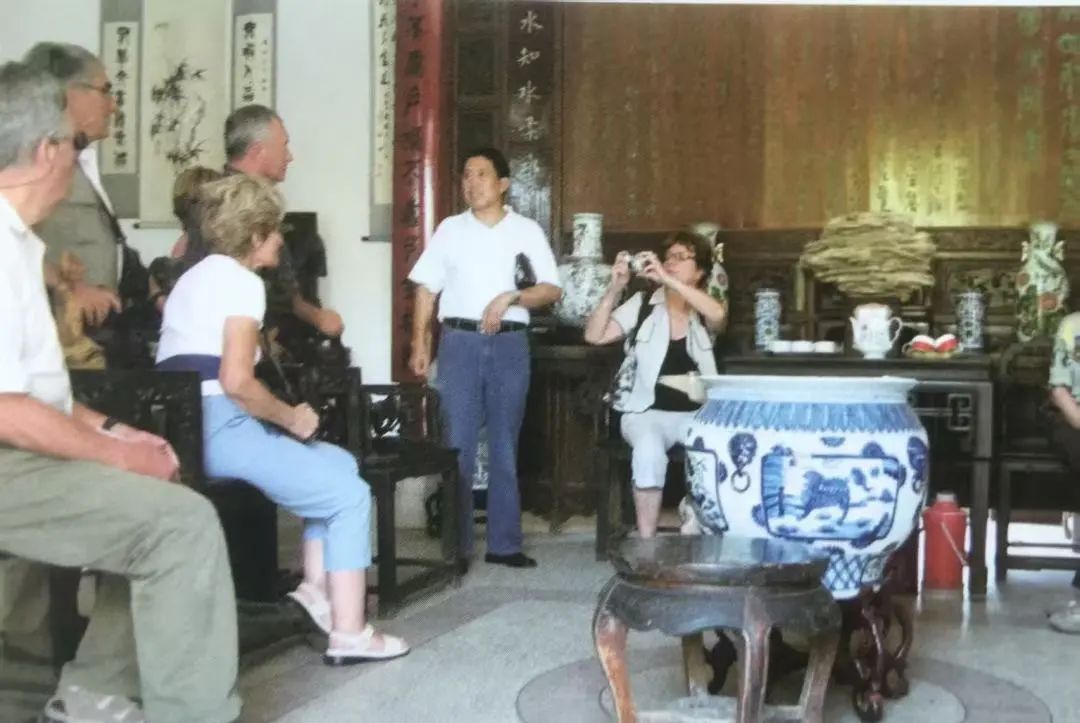
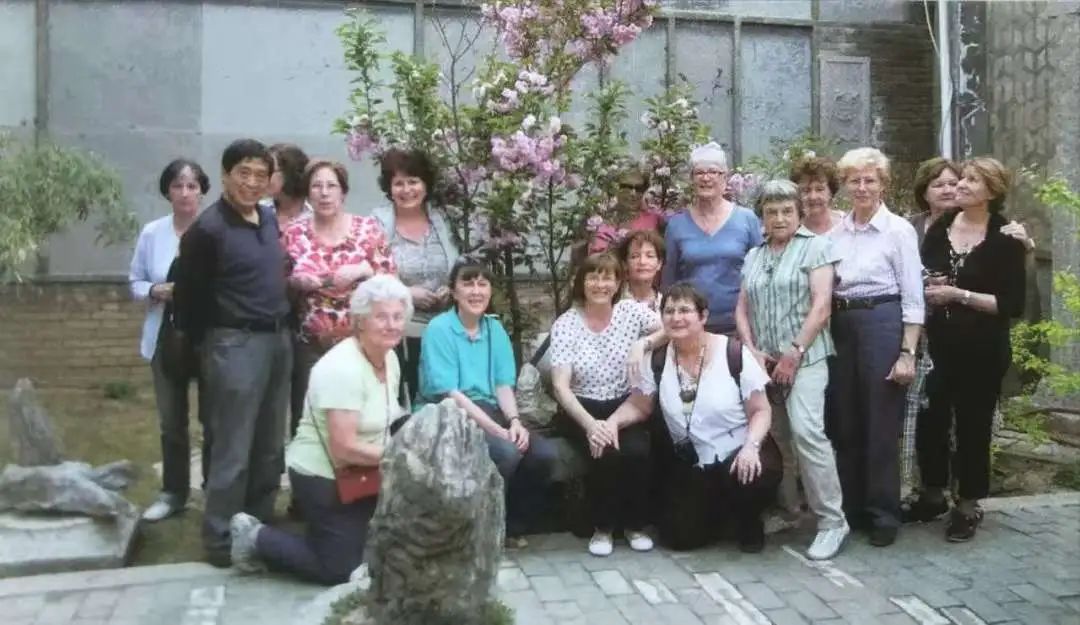
Nowadays, at over 70 years old, Wu Jianguo still leads teams on the front line. From black hair to gray, he has spent nearly half a century measuring a pilgrimage route for cultural guides. As a “cultural ferryman”, Wu Jianguo hopes to continue contributing his own strength and using his experience to train the younger generation of foreign language tour guides, building an invisible bridge for cultural exchange between China and foreign countries: at this end of the bridge is his beloved homeland; On the other side of the bridge, there are more and more people around the world eager to understand China.
Reprinted from Culture Shaanxi